


ford protect warranty insights from a careful returning owner

I've bought Ford Protect twice, kept one plan, canceled another, and learned to ask tougher questions than the brochure invites. It can be a quiet lifesaver - or just an expensive comfort blanket (I winced at the fine print - who doesn't?).

What Ford Protect usually means

It's Ford's extended service plan, layered on top of the factory warranty, with multiple tiers. The names vary by model year, but the idea is consistent: broader tiers cover more systems, narrower tiers focus on powertrain basics.

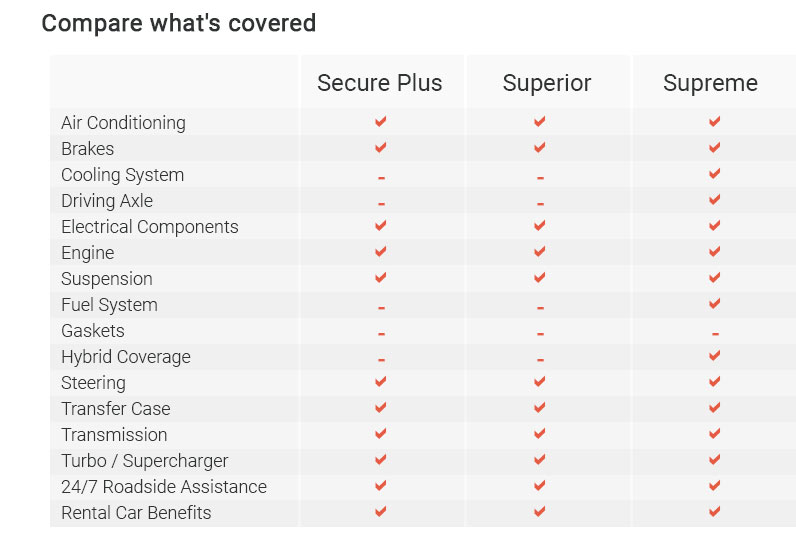
  • PremiumCARE: widest coverage, hundreds of components, especially helpful for tech-heavy vehicles.
  • ExtraCARE and BaseCARE: mid-tier coverage focusing on major mechanical and some electronics.
  • PowertrainCARE: engine, transmission, drivetrain - lean but cheaper.
  • Maintenance plans: separate from breakdown coverage; oil, filters, inspections - don't confuse these with repair coverage.

What it commonly excludes: wear items like brake pads and rotors, wiper blades, tires; cosmetic issues; trim; glass unless tied to a covered failure; aftermarket mods; abuse or neglect; many infotainment software issues unless a module fails.

How claims actually play out

Real moment: on a summer trip, my Explorer threw a water pump tantrum two hours from home. Dealer diagnosed, called Ford, got approval, and I paid the chosen deductible. Rental coverage kicked in with a daily cap, not unlimited. Smooth, but only because the part and labor codes were clearly covered under my plan tier and the advisor knew the process.

Costs, timing, and the "when" problem

  • Price depends on term, mileage, tier, deductible, and your vehicle. Dealers set retail; quotes vary more than you'd expect.
  • Best window: before the 3yr/36k factory warranty ends on most models; pricing and eligibility are usually better then.
  • Used vehicles: still possible, but you may face inspections, waiting periods, or higher cost.
  • Deductibles: per visit vs per repair - confirm which. Per visit is kinder during multi-item fixes.
  • Transfer/cancel: typically transferable for a small fee; prorated refunds if you cancel. State rules can override.

Risk checkpoints before buying

  • Get the VIN-specific contract booklet, not just a brochure. Verify what modules and sensors are listed.
  • Ask about labor-rate caps and whether diagnostic time is covered on no-trouble-found outcomes.
  • Confirm coverage for ADAS (radar, cameras), screen assemblies, and telematics units - replacement costs are steep.
  • For hybrids/EVs: factory HV battery warranties may be 8yr/100k+; Ford Protect usually wraps other components. Clarify inverter, charger, and thermal system coverage.
  • Check exclusions for lifted/supercharged/modified vehicles, commercial use, and salvage titles.
  • Make sure the start date and mileage align with in-service dates, not purchase date - tiny wording, big impact.

Alternatives worth weighing

  • Self-insure: set aside a repair fund. Great if your model has a solid reliability record and you're disciplined.
  • Third-party plans: can be cheaper; also riskier on claims friction. If you explore them, scrutinize labor caps, parts quality, and prior authorization rules.
  • Do nothing: simplest if depreciation, not repairs, is your main cost and you plan to sell early.

Small decisions that matter during a claim

  • Rental reimbursement daily max and total days.
  • Towing limits and whether they reimburse from your location or to the nearest dealer only.
  • Fluids, shop supplies, and taxes - covered or not?
  • Reman vs new parts policy; OEM vs aftermarket.

Pros and cons I actually felt

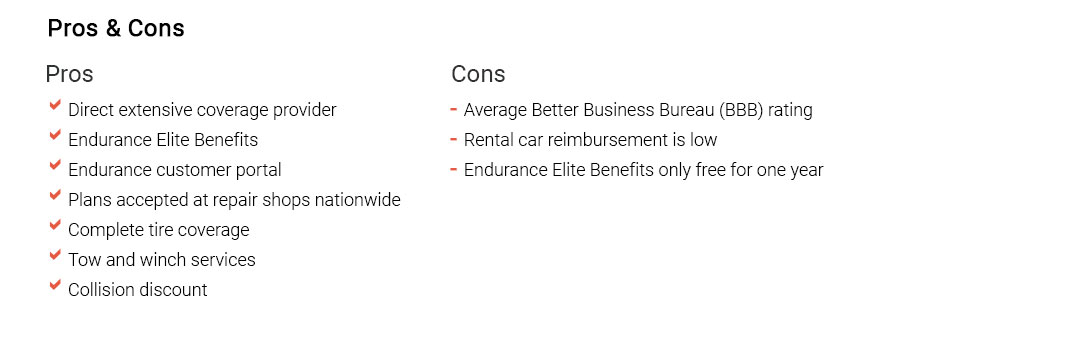
  • Pros: predictable costs, dealer handles paperwork, good for tech-heavy models, easier decisions far from home.
  • Cons: upfront cost, exclusions can surprise, varying dealer experiences, and it's not a maintenance pass.

Quick decision checklist

  1. Estimate your likely ownership term and annual mileage honestly.
  2. Pull reliability data for your specific engine/transmission and tech package.
  3. Get two or three plan quotes with different deductibles and tiers; compare to a realistic self-insure fund.
  4. Read the actual contract language - especially exclusions, deductible type, and labor rules.
  5. Confirm claim process with your preferred dealer's service manager, not just the finance office.

Bottom line

Ford Protect can be a smart hedge if you keep the vehicle long, drive more than average, or own a model with pricey electronics. If not, a cash reserve may beat the premium. Either way, clarity up front beats surprises at the service lane.

https://www.reddit.com/r/Ford/comments/18xa7zr/any_experiences_with_ford_extended_warranties_and/
For example: every dealer is assigned a dollar amount for covered repairs. If the repair is less than that dollar amount the dealer can proceed ...

https://www.macheforum.com/site/threads/what-does-the-ford-protect-warranty-actually-cover-on-our-cars.18031/
This plan covers everything else, screens, wiper motors, power seat, cooling system, heating system. drive axles, brake calipers, climate control, AC, ...

https://fordprotect.ford.com/why-buy-a-plan
All covered repairs are performed by factory trained technicians and Ford Protect Extended Service Plan coverage includes rental vehicle benefits for up to 10 ...


atwratnwm
4.9 stars -1114 reviews